The Question Everyone Asks
How to tell if you have PCOS
PCOS (renamed PMOS in 2026) shows up through three signal clusters: cycle disruption (long, irregular, or missing periods), androgen signs (jawline acne, hair thinning, unwanted hair growth), and metabolic signals (weight resistance, sugar crashes, energy dips after meals). Most women with the condition notice signs in at least two of the three clusters, though the exact mix is different for everyone.
The quiz above maps your symptoms across all three clusters in about two minutes. It is a pattern check, not a diagnosis: confirming PCOS requires a physician using the Rotterdam criteria, with lab work and history. What the quiz gives you is a clear picture of which signals you are carrying and which lab markers are worth asking about.
Signs of PCOS (PMOS)
What PCOS (now PMOS) actually looks like
PCOS, officially renamed PMOS (Polyendocrine Metabolic Ovarian Syndrome) in May 2026, shows up across three pillars. Most people with PCOS / PMOS see symptoms in at least two of them, though the exact pattern is different for every person.
Cycle signals
- Long cycles (35–90 days) or skipped periods
- Irregular or unpredictable timing
- Spotting between periods
- No clear ovulation signs
Androgen signals
- Jawline acne or hormonal breakouts
- Hair thinning at crown or part line
- Unwanted facial or body hair
Metabolic signals
- Weight resistance despite consistent effort
- Sugar cravings between meals
- Post-meal fatigue or brain fog
- Skin darkening at the back of the neck
Your care team
PCOS-focused Naturopathic Doctors in Ontario
Naturopathic Doctors registered with the College of Naturopaths of Ontario whose practice focus includes hormonal health and PCOS, working virtually across the province. Each one is verifiable on the public registry.
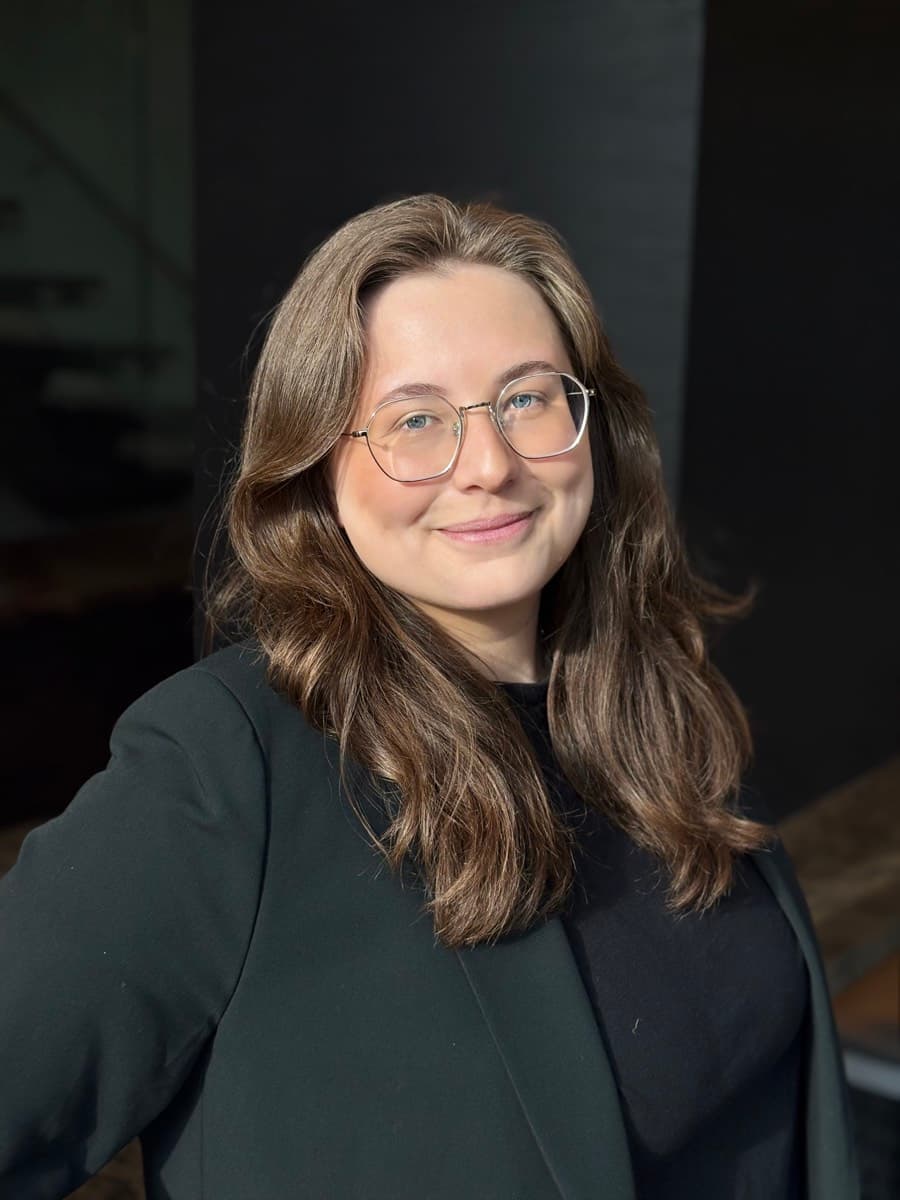
Dr. Victoria Posavad, Naturopathic Doctor
CONO #4468
Fertility, hormones, digestive health
How PCOS (PMOS) is diagnosed
The Rotterdam criteria
PCOS, now formally PMOS, is diagnosed by a physician using the Rotterdam criteria, the international standard. A diagnosis requires at least two of the three findings below. A symptom quiz can map signals across all three pillars, but it cannot replace lab work and a physician’s assessment.
- 01
Irregular or absent ovulation
Long cycles, missed periods, or no clear ovulation pattern.
- 02
Signs of high androgens
Clinically (hair thinning, jawline acne, unwanted hair) or on labs (elevated free testosterone, DHEA-S).
- 03
Polycystic-pattern ovaries
Confirmed on pelvic ultrasound by a physician or sonographer.
Lab markers worth asking about
- AMH (ovarian reserve)
- Fasting insulin + HbA1c
- Free testosterone, SHBG, DHEA-S
- Full thyroid panel (TSH, Free T3, Free T4, antibodies)
- Vitamin D + ferritin
Your physician chooses based on your symptoms and history. Some markers are OHIP-covered when ordered through an OHIP-billing physician; specialty markers may have an out-of-pocket cost.
The Metabolic Connection
PCOS and weight gain
Weight gain with PCOS is not a willpower problem. Insulin resistance sits at the centre of the condition for many women: when cells respond poorly to insulin, the body stores energy more readily, cravings intensify, and weight concentrates around the midsection. That same insulin signal pushes the ovaries to produce more androgens, which feeds back into the cycle and androgen symptoms.
This is why “eat less, move more” advice so often fails with PCOS. The pattern is metabolic, and it shows up on lab work (fasting insulin, HbA1c) before it shows up anywhere else. A Naturopathic Doctor can run those markers and build a plan around nutrition, movement, and supplementation that works with the insulin pattern instead of against it. Read more about naturopathic weight support.
Frequently asked
About the PCOS / PMOS quiz
Can a quiz diagnose PCOS?
No. A quiz can map symptoms to known PCOS (now formally called PMOS) patterns, but PCOS / PMOS is a physician-confirmed diagnosis. The Rotterdam criteria require labs and history, and sometimes pelvic imaging.
What are the Rotterdam criteria?
The Rotterdam criteria are the international standard for diagnosing PCOS (now PMOS). A diagnosis requires at least two of three findings: irregular or absent ovulation, signs of high androgens (clinical or on labs), and polycystic-pattern ovaries on ultrasound.
Can you have PCOS with regular periods?
Yes. Some women with PCOS (PMOS) have regular cycles. The Rotterdam criteria require two of three findings, so a regular cycle does not rule out PCOS / PMOS if androgen signs and polycystic-pattern ovaries are present.
What is the difference between PCOS and PCOD?
PCOS (Polycystic Ovary Syndrome) is the formal diagnostic term used in Canadian and international guidelines, recently renamed Polyendocrine Metabolic Ovarian Syndrome (PMOS) in May 2026. PCOD is an older term sometimes used interchangeably, especially in South Asia. PCOS, PCOD, and PMOS all refer to the same underlying condition.
Why was PCOS renamed to PMOS?
In May 2026, an international consensus published in The Lancet officially renamed polycystic ovary syndrome to polyendocrine metabolic ovarian syndrome (PMOS). The previous name was clinically inaccurate, since the condition is not fundamentally about ovarian cysts. The new name better reflects that multiple hormones (insulin, androgens, neuroendocrine signalling) and metabolic features (insulin resistance, type 2 diabetes and cardiovascular risk) drive the condition. The Rotterdam diagnostic criteria, lab work, and treatment approach all carry forward. The rename is being adopted over a 3-year transition period, with the 2028 international guideline update using PMOS officially.
What labs should I ask my doctor for?
Common PCOS / PMOS-related labs include AMH, fasting insulin and HbA1c, free testosterone, SHBG, DHEA-S, a full thyroid panel (TSH, Free T3, Free T4, antibodies), vitamin D, and ferritin. A physician chooses the panel based on your symptoms and history.
Can a Naturopathic Doctor diagnose PCOS?
Naturopathic Doctors registered with the College of Naturopaths of Ontario (CONO) do not diagnose PCOS (PMOS). They can run lab work, map patterns across cycle, androgen, and metabolic markers, and coordinate with your physician.
Does OHIP cover PCOS testing?
Some PCOS / PMOS-related lab work is covered by OHIP when ordered by an OHIP-billing physician, including TSH and basic CBC. Specialty markers like AMH and fasting insulin are typically not covered and may have an out-of-pocket cost.
Is the Fitra Health PCOS quiz free?
Yes. The PCOS / PMOS symptom quiz is free, with no email or payment required. After the quiz, you can request a free call from a CONO-registered Naturopathic Doctor in Ontario to discuss your results.
How do I know if I have PCOS or a hormonal imbalance?
The symptoms overlap heavily: irregular cycles, acne, fatigue, weight changes, and mood shifts can come from PCOS, thyroid dysfunction, elevated cortisol, or perimenopause. The only way to separate them is lab work read against your history. The quiz above maps your symptoms to PCOS-specific patterns; a Naturopathic Doctor can then run the markers that distinguish PCOS from other hormonal drivers.
Is there a PCOS specialist in Ontario?
Naturopathic Doctors in Ontario cannot claim specialist titles, but several on the Fitra Health team have a clinical practice focus on hormonal health and PCOS. They work virtually across the province, are registered with the College of Naturopaths of Ontario, and coordinate with your physician. You can meet them on our team page or book a free discovery call to find the right fit.
What does holistic or natural support for PCOS look like?
Naturopathic support for PCOS centres on the metabolic and lifestyle drivers: targeted lab work (fasting insulin, androgens, thyroid), nutrition built around blood sugar stability, movement, sleep, stress patterns, and evidence-informed supplementation. It is support alongside your medical care, not a replacement for it, and any prescription decisions stay with your physician.
How this quiz works
Built around the three pillars
The quiz asks eight questions across the three PCOS (now PMOS) pillars: cycle, androgen, and metabolic. A ninth question covers a family-history risk factor (PCOS / PMOS or type 2 diabetes in close family). Each question maps to a known PCOS / PMOS pattern recognized in clinical practice.
The quiz scores your answers and shows where your symptoms cluster. It does not give you a diagnosis. PCOS is diagnosed by a physician using the Rotterdam criteria, which requires lab work and history (and sometimes pelvic imaging). PCOS is also sometimes referred to as PCOD or PMOS depending on the clinician; the underlying condition is the same.
If your quiz shows a strong or moderate pattern, the most useful next step is a conversation with a clinician who can investigate the patterns properly. Our Naturopathic Doctors offer a free call to walk through your results and recommend which labs to ask about. We do not diagnose PCOS, but we can coordinate with your physician.
Related
Keep reading
Last reviewed by the Fitra Health clinical team. This page is informational. PCOS is diagnosed by a physician using the Rotterdam criteria.