
Gut health advice usually arrives in one of two forms: a supplement ad or a trend that will be replaced by next month's trend. So we asked our Naturopathic Doctors for the boring version instead. Six foods you can buy at any grocery store this week, each with an actual mechanism behind it, and each with a specific way to use it.
That last part matters. "Eat more fermented foods" is a poster. "A forkful of kimchi as a side, a few times a week" is a plan. This is the plan version.
Why the mechanism matters more than the trend
Your gut is not one thing. It is a digestion machine, a bacterial ecosystem, a nervous system outpost, and an immune hub sharing the same hallway. Different foods help different parts: some feed your bacteria, some speed things up, some calm things down. When you know which lever a food pulls, you can match it to what your gut is actually doing wrong, instead of eating "healthy" in general and hoping.
Here are the six levers, one food at a time.
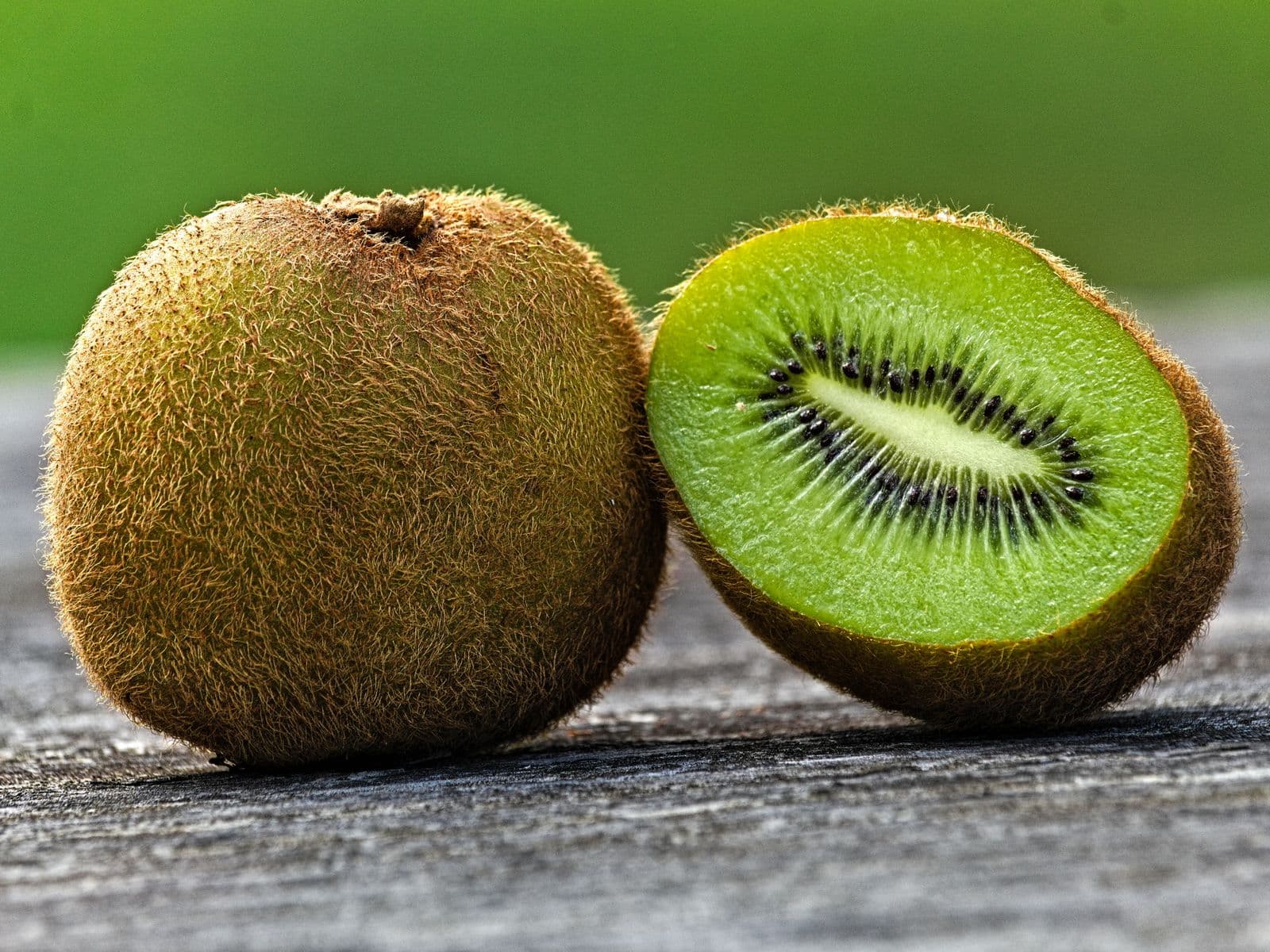
1. Kiwi, for staying regular
If constipation is your gut's main complaint, kiwi is the most underrated food in the produce aisle. It carries actinidin, an enzyme that helps break down protein, plus a fibre combination that holds water and keeps things moving. The clinical research here is genuinely impressive: randomized trials have found two kiwifruit a day improved spontaneous bowel movements and comfort, performing on par with psyllium with fewer complaints of bloating.
How to use it: 2 kiwis in the evening. Green ones, ripe, and yes, the skin is edible if you are committed.
2. Kefir, for a more diverse microbiome
Microbial diversity, the number of different bacterial species living in your gut, is one of the better markers of a resilient digestive system. Kefir is the easy win here because it can carry far more live bacterial strains than most yogurts, often dozens of species of bacteria and yeasts working together.
How to use it: half a cup, plain and unsweetened, and start small. If your gut is not used to fermented dairy, a gentle ramp beats a heroic first glass.
3. Ginger, for that heavy, too-full feeling
That brick-in-your-stomach feeling after dinner is often a motility story: your stomach emptying slower than you would like. Gingerol, the active compound in fresh ginger, supports gastric emptying and healthy gut movement, which is why ginger has been a digestive remedy in basically every food culture on earth.
How to use it: fresh ginger tea with your biggest meal. A centimetre or two of sliced root, hot water, done. The fresh stuff beats the dusty tea bag at the back of the cupboard.
4. Oats, for feeding your good bacteria
Your gut bacteria do not eat what you eat. They eat what you cannot digest, and oats are full of exactly that. Beta-glucan is a soluble fibre your microbes ferment into butyrate, a short-chain fatty acid that happens to be the preferred fuel of the cells lining your gut. Feed the bacteria, and the bacteria feed your gut wall. That is the whole loop.
How to use it: half a cup of rolled or steel-cut oats, not the instant packets, which have had most of the structure (and much of the benefit) processed out.
5. Kimchi, for topping up live cultures
Fermented cabbage is a rare two-for-one: a probiotic and a prebiotic in the same bite. The fermentation process grows live lactobacilli, and the cabbage itself brings the fibre those bacteria like to eat. Sauerkraut works the same way, for the kimchi-averse. The key is that it is actually fermented and refrigerated, not just pickled in vinegar on a warm shelf.
How to use it: a forkful as a side, a few times a week. Small and consistent beats occasional and heroic, which is true of almost everything in gut health.

6. Greener bananas, for steadier digestion
Here is a free upgrade: pick the bananas with a little green at the stem. The greener the banana, the more resistant starch it carries, a type of carbohydrate that skips digestion in your small intestine and travels down to feed your butyrate-producing bacteria instead. As the banana ripens, that resistant starch converts to plain sugar, and the gut benefit fades.
How to use it: nothing fancy. Just buy them a touch underripe and eat them before they go fully yellow.
How to actually use this list
- Start with one or two foods, not all six. The gut rewards consistency, not intensity.
- Match the food to your complaint: kiwi for regularity, ginger for the too-full feeling, kefir and kimchi for an ecosystem that needs reinforcements.
- Give it 2 to 3 weeks. Microbiome shifts are real but not instant.
- Variety is its own strategy. Microbial diversity tracks with how many different plants you eat, so rotating these beats perfecting one.
When food alone is not enough
Here is the honest part. These six foods raise the floor for almost everyone, but they are general tools, and some guts have a specific problem. If you are bloated after most meals, going days without going, foggy after eating, or watching previously safe foods "randomly" turn on you, that is not a kimchi deficiency. That is a pattern, and patterns have causes: food sensitivities, low stomach acid, bacterial imbalances, stress physiology, or something else entirely.
Finding which cause belongs to your gut is exactly what a Naturopathic Doctor spends an hour doing at a first visit: your full history, your symptom timeline, and targeted testing only where it sharpens the picture. If food sensitivities are on your suspect list, our free 2-minute food sensitivity check is an easy place to start, and a 15-minute call with one of our Naturopathic Doctors is free. We work alongside your family doctor, never instead of them.
Free consultation. Covered by most extended health plans, with direct billing available. Ontario only. fitrahealth.ca
FAQ
What are the best foods for gut health?
The strongest everyday options are kiwi (regularity), kefir (microbial diversity), fresh ginger (motility and that too-full feeling), oats (beta-glucan that becomes butyrate), genuinely fermented foods like kimchi or sauerkraut (live cultures plus fibre), and slightly green bananas (resistant starch). The best one for you depends on what your gut is actually complaining about, which is why matching the mechanism to the symptom beats eating everything at once.
What foods help with constipation?
Kiwi has some of the best clinical evidence of any single food: randomized trials found two a day improved bowel movement frequency and comfort, comparable to psyllium but gentler on bloating. Oats, adequate water, and slightly green bananas support the same goal. If days-without-going is your normal, it is worth investigating why rather than only managing it.
How long does it take for diet changes to improve gut health?
Some effects are quick: ginger tea can ease the too-full feeling with the same meal, and kiwi often shifts regularity within days. Microbiome changes are slower; give fermented foods and fibre changes 2 to 3 weeks of consistency before judging them. If nothing budges after a month, that is a signal the issue is upstream of food choices.
Are fermented foods good for everyone?
Mostly, but not universally. Some people, especially those with significant bloating or histamine-related symptoms, feel worse on fermented foods, and that reaction is itself useful information about what is going on in the gut. Start small, notice your response, and if ferments consistently disagree with you, bring that detail to a practitioner. It narrows the search.
When should I see someone about my gut?
If you are bloated after most meals, your transit time has drifted to days, your skin or energy seem tied to your digestion, or safe foods keep turning on you, a pattern like that deserves a closer look. A Naturopathic Doctor can map your history and run targeted testing to find the driver. Red-flag symptoms like blood in stool, unintended weight loss, or severe pain belong with your family doctor or the ER first.